
Skip to Main Content

Advertisement

Skip Nav Destination
Newest Articles
Article
Emily R. Siniscalco et al.
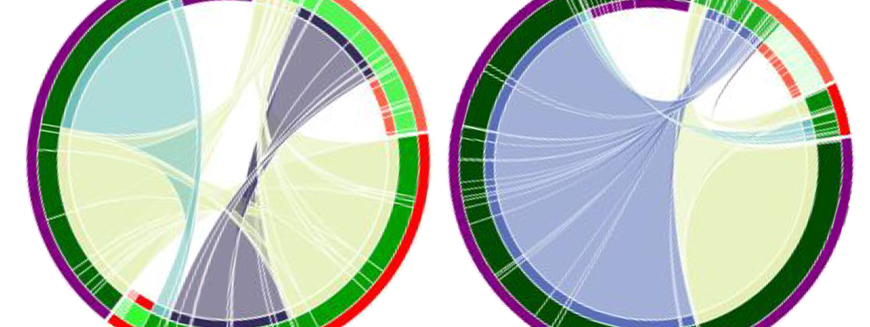
Siniscalco et al. reveal that DOCK8 and STAT3 cooperate in CD4+ T cells to restrain Tfh13 differentiation and prevent food-specific IgE. The DOCK8-STAT3 axis functions cell-intrinsically within T cells to limit GATA3 expression and Tfh13 cell differentiation, while additional Treg impairment in DOCK8 deficiency uniquely enables Tfh13 induction in the gut.
Article
Yuliang Wang et al.
Our study demonstrates CD205 is upregulated in prePCs. H3K27 demethylase Kdm6b, not Kdm6a, allows prePCs to become bona fide PCs by removing H3K27me3 marks at the Irf4 locus. Interestingly, prePCs favor glutamine metabolism, which provides α-ketoglutarate as a substrate for the demethylation reaction of Kdm6b.
Technical Advances and Resources
Lesly Calderón et al.
Immune responses to pathogens lead to the generation of plasma cells containing the infection by secreting high-affinity antibodies. Here, we describe an in vivo CRISPR/Cas9 screening system for identifying novel regulators of B cell activation and plasma cell development in the context of the splenic microenvironment of immunized mice.
Technical Advances and Resources
Ian M. Mbano et al.
Single-cell and spatial transcriptomics of human TB lung tissues from individuals in South Africa revealed that MMP1+CXCL5+ fibroblasts and SPP1+ macrophages are linked to TB disease and TB lung granuloma, uncovering targetable cellular cross talk underlying TB immunopathology and potential avenues for host-directed therapies.
Article
Jiří Březina et al.
Březina et al. demonstrate that Claudin 1 enables thymic type 1 dendritic cells to localize within proximity to medullary thymic epithelial cells. This spatial arrangement supports maturation and tolerogenic function of type 1 dendritic cells, thus preventing disruptions in T-cell tolerance.
Technical Advances and Resources
Emanuele Lettera et al.
Lettera et al. show that human hematopoiesis across aging is characterized by stable stem cell numbers and reduced erythroid/lymphoid output. Aged HSPCs retain engraftment yet exhibit impaired differentiation, altered chromatin states, inflammatory signatures, DNA damage, and senescence under stress. Proliferative stress in cord blood HSPCs recapitulates these defects, establishing a model for age-associated hematopoietic decline.
Article
Cintia Bittar et al.
Bittar et al. describe expanded clones of authentic CD4+ T cell carrying intact latent HIV-1 proviruses derived from people living with HIV. Their transcriptome mirrors their primary cells of origin. Notably, only a fraction of clonal cells express HIV. Latency-reactivating agents induce modest and variable activation, highlighting challenges in pharmacologic approaches to reservoir elimination.
Journal of Experimental Medicine Cover Image for Volume 223, Issue 1
Current Issue
Volume 223,
Issue 1,
5 January 2026
Reviews & Opinions
Insights
Amir Ghorbani, Jonathan W. Yewdell
In this issue of JEM, Zhang et al. describe CTAs, comprised of class I and class II immunogenic peptides fused in a single polypeptide that greatly increase the effectiveness of cancer immunotherapy, even when the CTA antigens are not expressed in tumor cells.
Review
Collin J. Laaker et al.
The cribriform plate is a skull region where olfactory nerves link the nasal cavity and brain. Laaker et al. review evidence that this interface also acts as a gateway between the CNS and the peripheral immune system, with relevance to neuropathologies.
Review | Cancer Focus
P.A. Baeuerle et al.
T cell engagers are antibody-based therapeutics, which can reprogram T cells for antigen-specific elimination of target cells. Learnings from 12 regulatory approvals establish this off-the-shelf modality as safe and effective for cancer therapy with emerging applications for treating autoimmune diseases.

Most Read

Advertisement

null

Special Collections

Our annual series highlighting articles that were of greatest interest to our readers in 2025.

View collections >


or Create an Account

Close Modal
Close Modal